
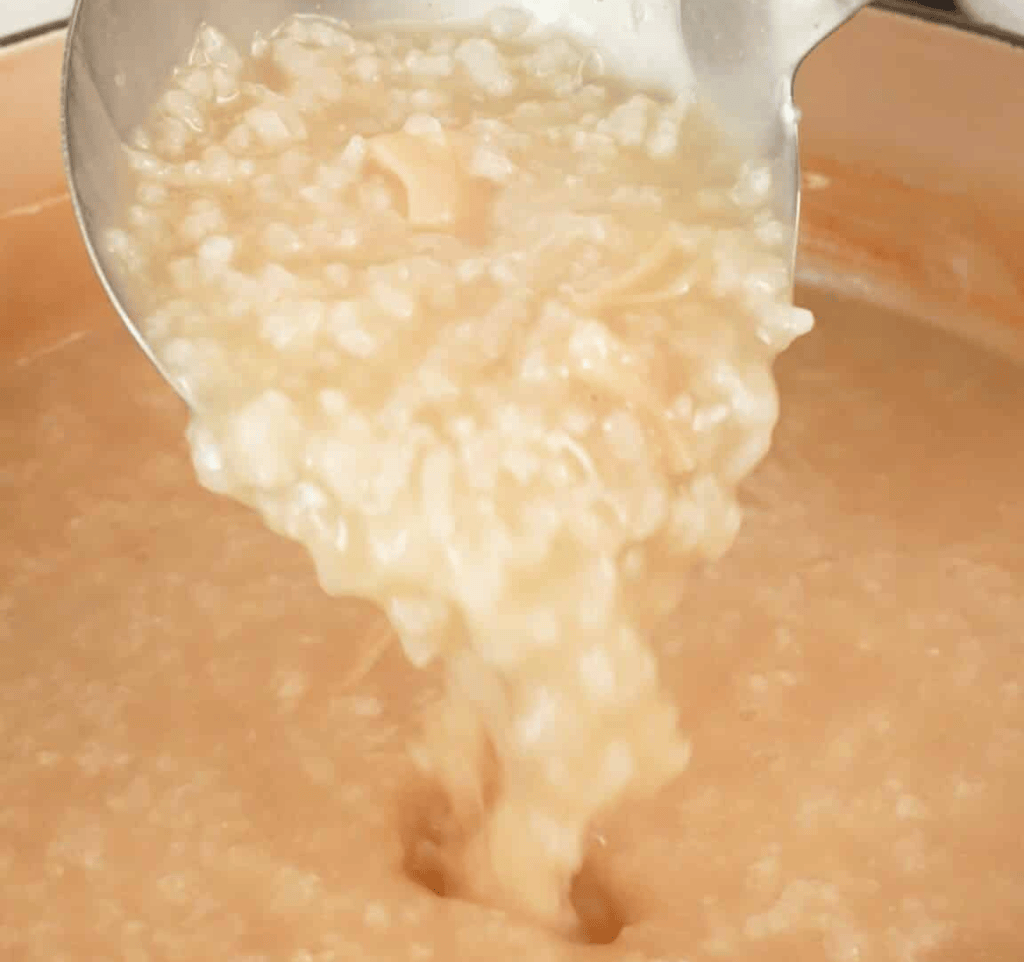
When I was 9 years old, my father unexpectedly taught me how to make jook, which is the Cantonese name for congee, a rice porridge soup. In its most simple form, jook can be nothing more than rice that has boiled for so long that the individual grains have dissolved. More upscale variations use bone broth often with seasonings of ginger, garlic, and soy sauce.
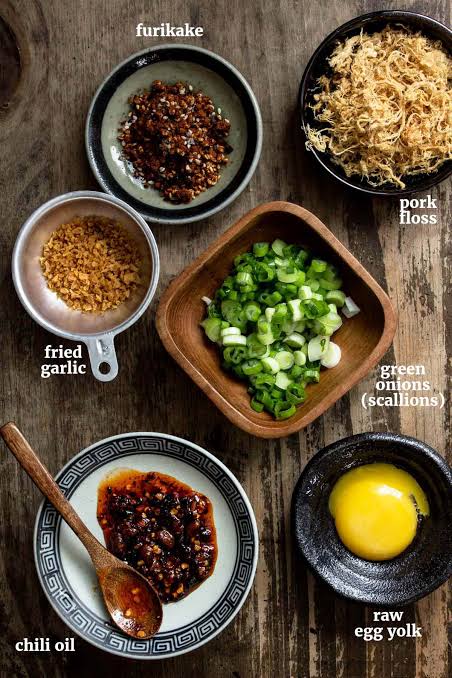
Congee is often served witha variety of toppings such as furikake, a tasty Japanese seasoning blend of dried seaweed (like nori or kombu), toasted sesame seeds, salt, and a touch of sugar. Pork floss, a sweet, savory, and umami dried meat product with a light fluffy texture like cotton candy, is made in China by braising lean pork until it’s tender. The meat is then shredded into fine fibers prior to being mixed with soy sauce and sugar and cooked until it is dried. Other possible toppings include fried garlic, chopped green onions, chili oil, and a raw egg yolk (which is mixed into an individual portion and cooks through the soup’s residual heat).
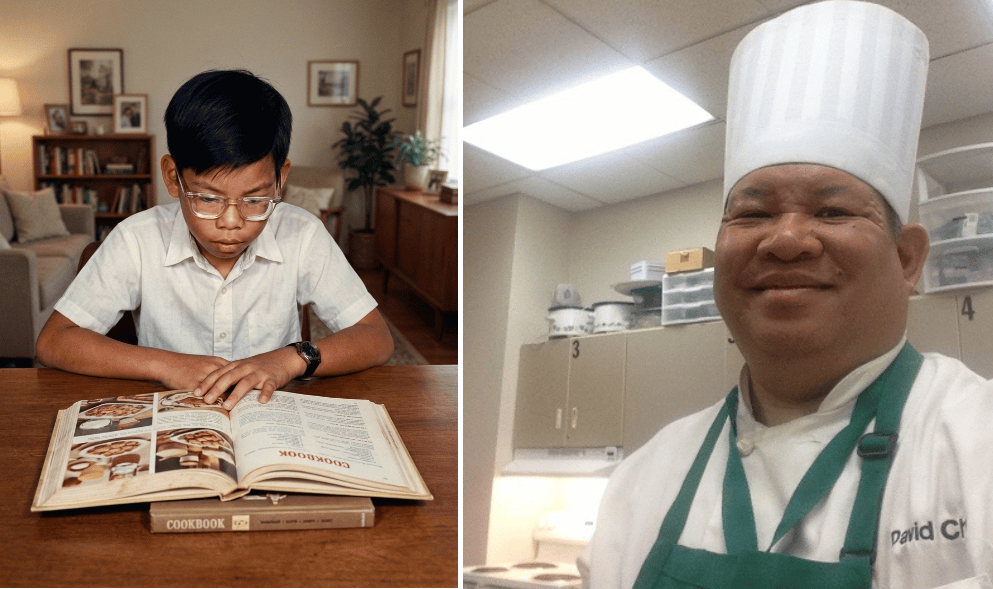
Although I had known as a child that raw ingredients were used to produce meals, I had not previously thought about how food was actually made. In watching my father demonstrate how to make congee, I became completely intrigued over how raw ingredients are transformed to become tasty meals.
That Christmas in 1970, my parents gave me what would become my favorite gift of all time. They gave me a 1970 edition of a Betty Crocker Cookbook.
Although this cookbook has long since been discarded after too many pages came free through frequent use, this cookbook gave me a solid introduction to homecooking. After I turned 40 and decided to leave my elementary teaching career, I attended culinary school and trained as a chef. I subsequently worked in the food service industry for four years before returning to education as the chef instructor of a high school Culinary Arts program.
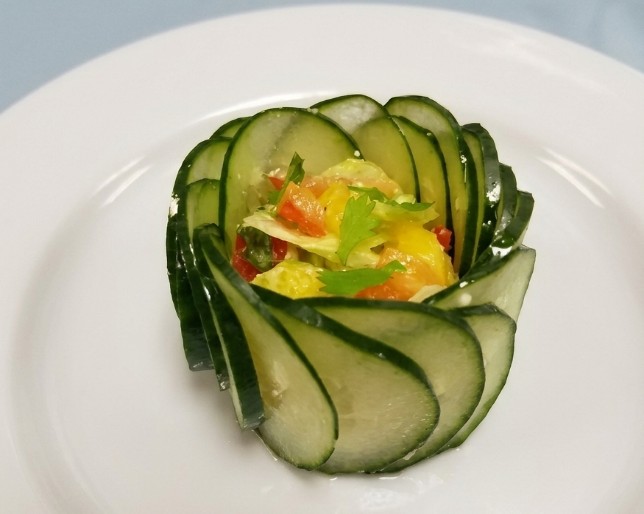
Pictured here is a composed cucumber salad that my advanced culinary students used to prepare as part of our garde manger (cold food production) unit.
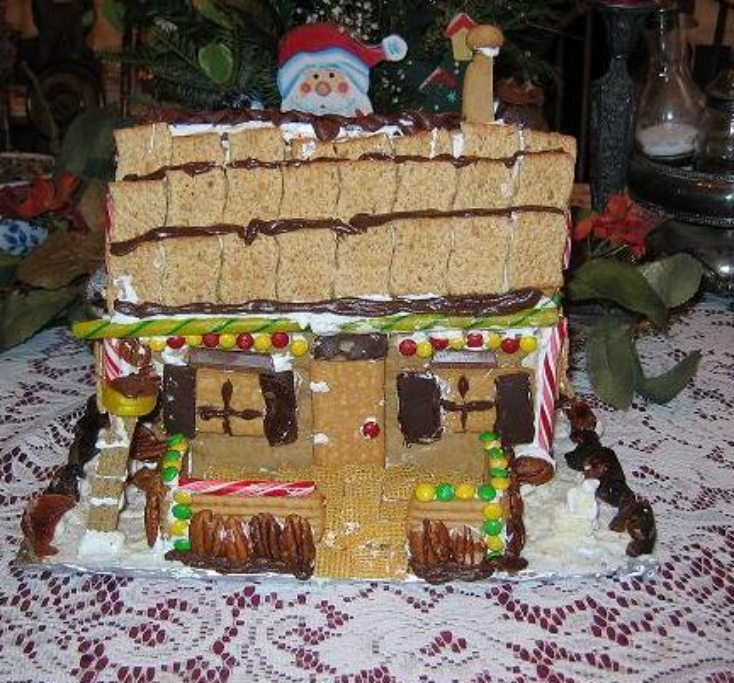
While working as a breakfast chef (and owner) at a Victorian B&B Inn back in 2002, I prepared this gingerbread house as a centerpiece for the dining room.
The gingerbread roof was covered with wheat things that I used as shingles. The vertical parts of the porch railing were pecans. The windows and doors were graham crackers.
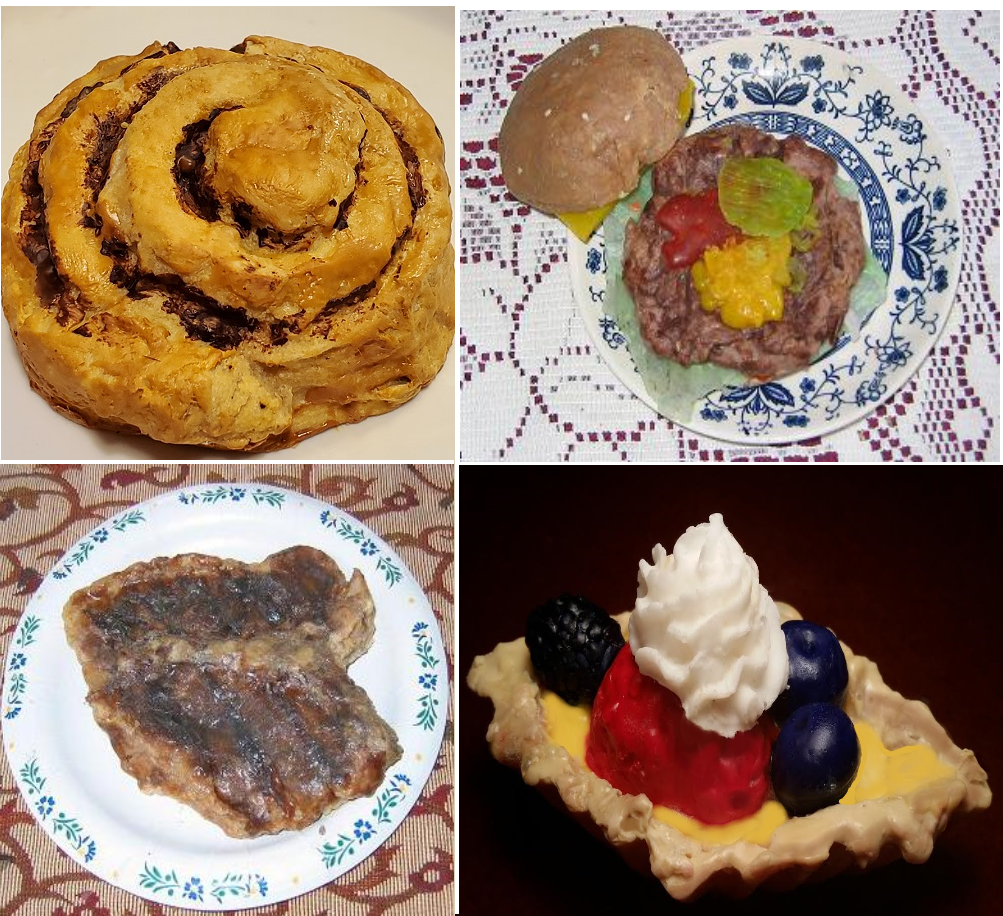
My interest in all things culinary led to a related interest in soap and candle production. Instead of making bar soaps and poured candle sticks, I produced soap and candles that looked and often smelled like real food. Pictured below are some of my soaps.
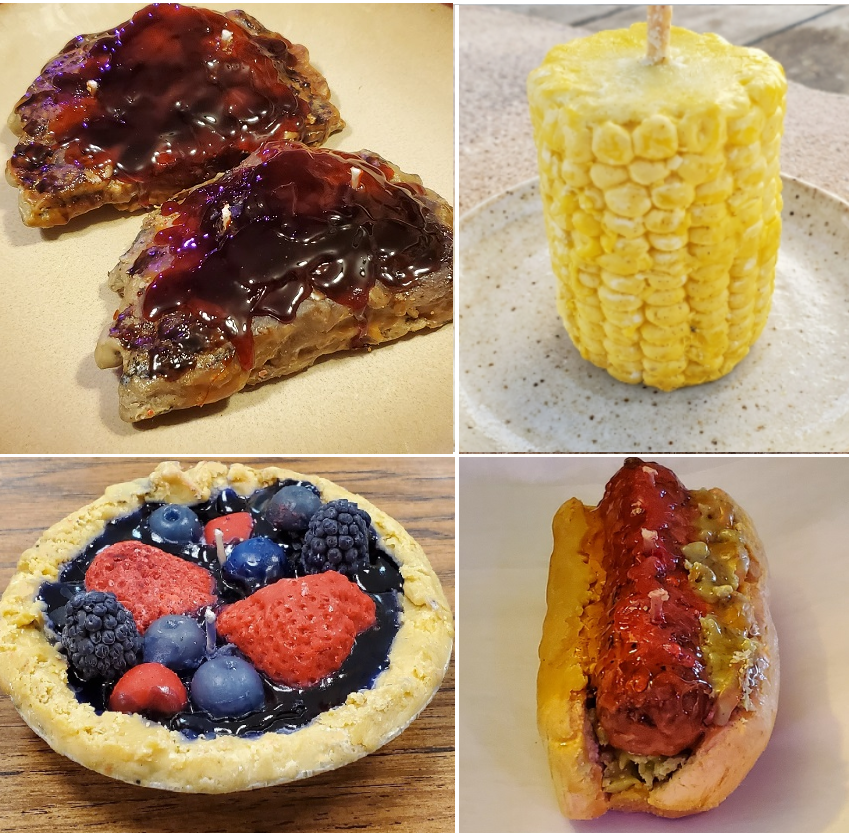
Working with candles has proven to be more complicated. While many of my initial soap products were literally hand sculpted, wax has to be poured into molds. To make many of the candles below, I first had to learn how to make my own silicone molds.
Just in case anyone is wondering, I do not sell my soap or candles. I tried doing this as an on-line business a few years ago but found that I didn’t enjoy customer service. I expecially didn’t like having to file quarterly tax returns to the state commerce office.



Leave a Reply